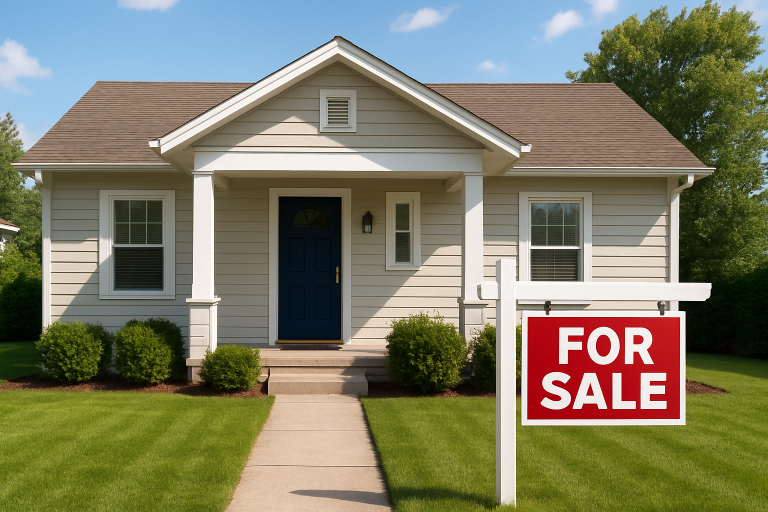
In competitive markets, selecting a house to buy can be challenging. Many options are available, and decisions need to be made quickly when competition from other buyers is high. Buying property is not easy, and knowing how to compare properties properly helps build confidence among buyers. In this article, we share some helpful strategies that make this process easier and more efficient.
Research Neighbourhoods Thoroughly
For most buyers, location is a significant factor. The journey begins with understanding communities. Compare the distance from schools, parks, shops, and public transport. Some neighbourhoods are quiet, while others have lively streetscapes. Property value is affected by a neighbourhood’s safety record and future developments. Making a list of priorities allows homebuyers to stay focused throughout the houses for sale in Gladstone search process.
Set a Realistic Budget
Financially prepared buyers do not get disheartened by homes they cannot afford. Before you visit a place, set a limit that cannot be exceeded. Factor in additional expenses like property taxes, insurance, and maintenance. You should also make sure to factor in long-term costs such as utility bills and maintenance. Staying within your budget limits options and protects against emotional spending.
Create a Comparison Checklist
A checklist helps support your property selection process. Start with the must-haves, like how many bedrooms, bathrooms, and car spaces. Include things people in your home will want/need, such as gardens, new kitchens, and office space. Rating each home against these criteria can reveal which houses truly match your needs. A checklist keeps the comparison process neutral.
Go to Open Houses and Private Showings
Photography can hide faults in a house property, but an in-person visit will often reveal issues. Open house events allow you to see how spaces look and feel. Checking how sunlight travels through rooms or how water flows is a great start. Private viewings are another great option, as they enable buyers to ask questions and have a closer look. Making notes during each visit helps you recall the critical differences later.
Be Mindful of Condition and Age
Older homes can have character but might need to be updated or repaired, while newer builds tend to offer more convenient and modern features. New buildings might seem less tasteful or unique, but the maintenance costs may be low. Check each property for any obvious problems, such as cracks, dampness, or old wiring. Such future costs are a waste. Hiring a professional inspector can help you identify underlying issues. Long-term fulfilment and investment viability are frequently influenced by condition and age.
Consider Prospective Growth and Resale Value
Buyers can protect their investment with a little foresight. Check if the area has the potential to become a trendy place in the future. Check for areas of gentrification with new businesses, schools, or transport links. Areas with growing neighbourhoods tend to appreciate quickly, too. If there are children, think about how each house is suitable for family time and whether it can accommodate changing needs.
Factor in Market Timing
Depending on competition and market timing, homes in popular areas might sell quickly. Financially prepared buyers have the advantage of being able to make an offer without second-guessing their own readiness to compete. Get your financing in order and documents ready before making offers. Track average sale prices and median days on market. It helps to understand if the listing is worth its price. The right property requires prompt action, but not necessarily urgency.
Analyse Comparable Properties
Reading about recent sales can offer a significant perspective in terms of calculating fair market value and comparing size, location, and condition. There are times when a property appears attractive until the sales in that area tell a different story. Studying this information can also help you during negotiations with sellers. Comparisons give insights into what can be called realistic expectations in certain price brackets.
Stay Flexible and Patient
Competitive markets often test a buyer’s patience. Homebuyers may miss out on good homes initially before finding the right one. That’s why keeping your options open is less stressful. Sometimes lowering your expectations delivers peace of mind. The decision-making process can be handled calmly by taking careful steps to close a deal. Consulting real estate professionals is also an excellent way to find good properties.
Conclusion
As many homes in competitive markets come and go quickly, buyers must prioritise, research, budget, and prepare accurately. Considering multiple options, preparing a checklist, and tracking applicable data enable buyers to make sound choices. Buyers are more likely to get a place that will work for them now and in the future if they have foresight and are willing to be flexible. By following the tips listed here, buyers can feel more confident about their journey to homeownership.