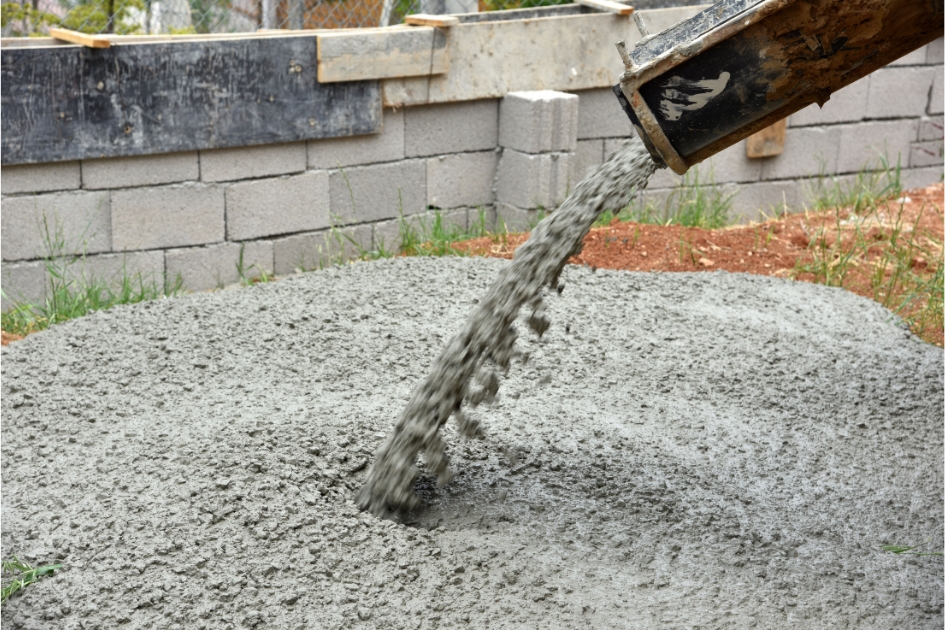
Concrete offers a long service life through control, not chance. Before a slab is poured, experienced crews assess soil behaviour, surface water movement, traffic demands, and curing conditions. Each choice affects cracking risk, edge stability, and wear rate. Sound practice also protects appearance, as a durable finish depends on strength below the surface. This sequence, repeated with care, helps driveways, paths, and pads stay serviceable through weather shifts and daily use.
Ground Preparation
Long-term performance starts under the slab, where weak ground can lead to settlement, corner drop, and surface fracture. Property owners reviewing standards followed by concreters in Melbourne often overlook:
- Subgrade density
- Base depth
- Drainage fall
Skilled crews strip unstable material, compact each layer, and correct low spots before formwork begins. This kind of early discipline reduces movement, supports even loading, and gives the concrete a steadier base for years of service.
Mix Design Matters
No single mix suits every job. A driveway must tolerate tyre pressure and repeated loading, while a path may need grip and moderate strength. Cement content, aggregate grading, water ratio, and exposure class all affect final performance. Excess water can leave a weaker paste and a softer top layer. Careful proportioning supports better finishing, lower shrinkage, and a surface that resists wear more effectively.
Formwork Sets the Standard
Formwork determines line, level, depth, and edge shape before the first load arrives. If boards move or joints leak, slab thickness can vary, and the finish may look uneven. Experienced crews brace forms firmly, confirm measurements, and set falls that carry water away from buildings. Straight, stable forms also make placement easier. Such accuracy lowers correction work later and helps the concrete cure into the intended profile.
Reinforcement Adds Control
Concrete handles compression well, yet tension can create cracking once loads or ground movement develop. Steel mesh or bar reinforcement helps distribute those stresses through the slab body. Placement matters as much as product choice. If steel sits too low, its value drops sharply. Competent installers support reinforcement at the right height and keep spacing consistent. This approach improves crack control and strengthens the pavement under repeated use.
Pour Timing Counts
Weather shapes concrete behaviour from the first minutes after discharge. High heat can accelerate moisture loss, while cold air may slow strength gain and delay finishing. Rain creates another problem because extra surface water can disrupt texture and weaken the upper layer. Professional crews monitor weather forecasts, schedule deliveries carefully, and prepare labour before the truck arrives. Good timing keeps placement steady and reduces avoidable defects across the slab.
Finishing Needs Restraint
A durable finish depends on patience more than pressure. Working the surface too soon can trap bleed water near the top and leave a dusty, fragile layer. Waiting too long may make the slab harder to close and texture evenly. Skilled finishers read the surface before floating or trowelling. They also match texture to use, such as broom finishes for traction or smoother faces where appearance carries more weight.
Joints Help Prevent Damage
Concrete expands and contracts as temperature and moisture conditions change. Without planned relief points, shrinkage stress can create random cracking across visible areas. Control joints guide that movement into straighter, less disruptive lines. Depth, spacing, and layout should match slab dimensions and thickness. Experienced crews treat joints as a structural feature, not decoration. Well-placed cuts help protect both serviceability and the cleaner look most owners expect.
Curing Builds Strength
Fresh concrete needs retained moisture to build internal strength properly. If drying happens too quickly, hydration slows, and the slab may lose hardness near the surface. That can increase dusting, shrinkage, and early wear. Professional teams use curing compounds, coverings, or controlled wetting to slow moisture loss after finishing. They also limit traffic during the first days. Proper curing improves density, durability, and longer-term resistance to damage.
Maintenance Protects the Investment
Even well-built concrete benefits from routine care. Oil, standing water, heavy point loads, and ingrained dirt can shorten surface life if left untreated. Sealing may help in exposed settings, especially on decorative work or driveways facing regular weather stress. Simple cleaning also makes small defects easier to spot early. Prompt attention to minor chips or drainage issues can reduce future repair needs and preserve a neater finish.
Load and Drainage Planning
A slab lasts longer when its design reflects real site demands. Vehicle weight, turning pressure, nearby roots, soil moisture, and runoff patterns all affect performance over time. Crews who plan well choose suitable thickness, reinforcement, and fall (drainage) before construction starts. Drainage deserves close attention because pooled water can soften supporting layers and increase movement. Practical planning limits maintenance, improves safety, and helps the surface stay stable through seasonal changes.
Conclusion
Professional concreters achieve lasting results by controlling the factors that most often shorten slab life. Ground preparation, mix selection, formwork, reinforcement, weather timing, finishing, curing, and drainage each carry structural consequences. If one stage is rushed, later problems often follow. A disciplined process lowers the chance of cracking, settlement, surface dusting, and premature wear. That is why experienced workmanship remains the clearest path to concrete that performs well and looks sound.